The world of small digital cameras has developed rapidly in recent years. There are many current models to choose from, suitable for various occasions and budgets. Whether you’re looking for a camera for vacation, family, or street photography, there is a suitable solution for every need. In this article, we present the best small digital cameras and provide you with useful tips for purchasing and using them.
Key Insights
- Compact cameras are ideal for beginners who don’t want to carry heavy equipment.
- Mirrorless system cameras offer high flexibility and image quality.
- Smartphone cameras are often sufficient for simple snapshots and everyday photography.
- The right accessories like tripods and lenses can significantly improve photography.
- Regular maintenance and care of the camera are important for a long lifespan.
Camera Buying Guide
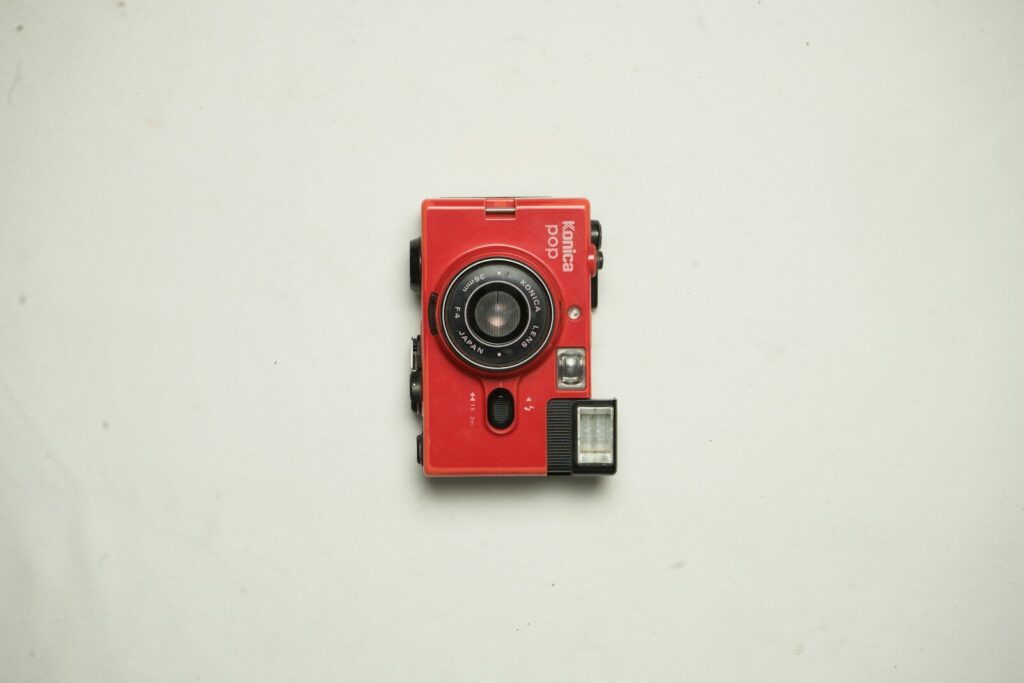
Okay, let’s talk about cameras! There are so many options out there that it can be really overwhelming. But don’t worry, we help you navigate the jungle. Which camera is best for you? That’s the question we want to answer.
Types of Cameras
It used to be simpler, but today there’s a huge selection. Smartphones have shaken up the market quite a bit, and now there are various types of cameras for every need. From super compact point-and-shoots to high-end system cameras, everything is available. Think about what you mainly want to photograph. Do you need something small for on-the-go, or do you want to get the maximum quality?
- Smartphones: Always with you, great for snapshots. But they often struggle in low light.
- Compact cameras: Better zoom than smartphones, but not as flexible as system cameras.
- DSLRs: Classics with a huge selection of lenses. If you’re serious, this is the way to go.
- Mirrorless system cameras: The future! More compact than DSLRs but with similar performance.
Important Criteria When Buying
What should you pay attention to? Here are a few points to keep in mind:
- Megapixels: More is not always better! It depends on the sensor size. But for most purposes, 12 megapixels are more than enough.
- Zoom: Do you need a lot of zoom? Then pay attention to the optical zoom, not the digital. The optical zoom is real, the digital is just a fake.
- Autofocus: How fast and accurately does the camera focus? This is especially important for moving subjects.
- Image stabilization: Helps against blurriness, especially in low light or with a lot of zoom.
- Display: Flip-out, rotatable, tiltable? Depending on what you photograph, this can be super practical.
- Battery life: Nothing is more annoying than a dead battery when you want to get started.
Remember: The best camera is the one you have with you. So choose one that you will actually use!
Brands You Should Know
There are a few big players in the market that you should know:
- Canon: Solid all-rounders, great for beginners and professionals.
- Nikon: Similar to Canon, but with a slightly different operating concept.
- Sony: Technology leader, especially in mirrorless cameras.
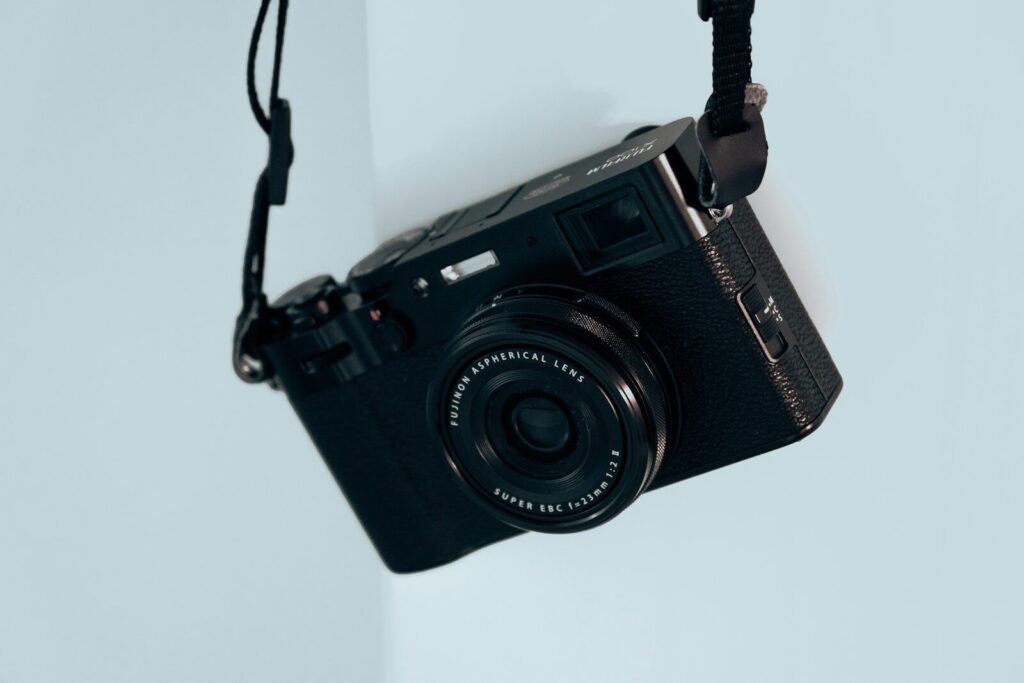
- Fujifilm: Retro design and great colors, popular among street photographers.
- Olympus/OM System: Compact and lightweight cameras, ideal for travel.
These are just a few examples, but they give you a good overview. Take a look around, read reviews, and try out a few cameras in the store. This way, you’ll find out which one fits best in your hand and which camera is the right choice for you.
The Best Compact Cameras
Compact cameras are super practical because they are small and lightweight. You can easily slip them into your pocket and take them anywhere. But which ones are really good? Let’s take a look!
Top Models 2026
Okay, here are a few compact cameras that you should definitely check out if you’re looking for a new snapper. The selection is huge, but these stand out:
- Sony RX100 VII: The best digital camera overall if you value quality and many features.
- Canon PowerShot G7 X Mark III: Great for vloggers and anyone who loves to shoot videos.
- Panasonic Lumix TZ96: A true all-rounder with plenty of zoom.
Compact Camera vs. Smartphone
Sure, your smartphone also takes photos. But a real compact camera has a few advantages. For example, better zoom, more settings options, and often higher image quality. Plus, you don’t have to worry about your battery dying when you’re taking photos all day. Here’s a little comparison:
| Feature | Compact Camera | Smartphone |
|---|---|---|
| Zoom | Optical zoom, often very strong | Digital zoom, quality loss |
| Image Quality | Better in low light, more details | Good in daylight, but often noisy |
| Battery Life | Longer, as it doesn’t have as many other functions | Shorter, as many apps run in the background |
| Settings Options | Many manual options | Fewer, often just automatic |
A compact camera is a good choice if you value better image quality and more control over your photos. Your smartphone is, of course, always with you and great for snapshots.
For Every Budget
There are compact cameras for every budget. You don’t have to spend a fortune to take good photos. Here are a few tips:
- Entry-level: Cameras under 300 euros are great for beginners. They take good photos and are easy to use.
- Mid-range: Between 300 and 600 euros, you can get cameras with more features and better image quality.
- High-end: From 600 euros upwards, there are high-end cameras with top equipment and professional features.
Mirrorless System Cameras
Mirrorless system cameras are really something special if you want more than just phone photos. They are smaller and lighter than DSLRs but still offer the ability to change lenses. This means you are super flexible and can use the right lens for every situation. Whether wide-angle for landscapes or telephoto for distant animals – it’s all possible!
Advantages of Mirrorless Cameras
What makes mirrorless cameras so special? Here are a few points:
- More compact design: They are lighter and smaller, ideal for on-the-go.
- Electronic viewfinder: You see directly how the image will look before you even press the shutter. This is super practical for checking exposure and colors.
- Faster continuous shooting: Perfect if you want to take action shots. You can capture much more than with DSLRs.
Mirrorless cameras are not only lighter but often also quieter. This is especially advantageous in situations where you want to photograph discreetly, such as at a wedding or in nature.
The Best Models
Which models are the best? Of course, it depends on what you’re looking for and how much you want to spend. But there are a few names you should definitely know:
- Sony Alpha Series: Known for their top image quality and fast autofocus.
- Fujifilm X Series: Here you get stylish cameras with a retro look and great color reproduction.
- Nikon Z50: A great option for entering the world of mirrorless cameras.
For Beginners and Professionals
Whether you’re just starting out or already an old pro, mirrorless system cameras are for everyone. For beginners, there are simple models that still take great pictures. And for professionals, there are high-end cameras that leave nothing to be desired. The trick is that with the right lens and some practice, you can achieve truly professional results. And remember: Continuing to use an existing DSLR setup is one thing. Building a new system with it is another. If you really want to build a new system, we would recommend going for a mirrorless system camera.
Camera Accessories You Need
Sure, a good camera is already half the battle, but with the right accessories for the Fujifilm X100VI, you can really get more out of your photos. Let’s take a look at what might be in question.
Tripods and Backpacks
A tripod is worth its weight in gold if you want to take sharp pictures in low light or long exposures. They come in all sizes and price ranges. And a good backpack? Essential for transporting your gear safely and comfortably. Remember, it’s better to invest a little more to keep your stuff well protected. A sturdy tripod and a robust backpack are your best friends when you’re on the go.
- Tripod for steady shots
- Camera backpack for safe transport
- Rain cover for bad weather
Lenses for Small Digital Cameras
Even if it’s a small digital camera, there is often the option to change lenses or use attachment lenses. This allows you to capture completely different perspectives, whether it’s a wide-angle for landscape shots or a telephoto lens to bring distant subjects closer. Check what is offered for your camera.
Sometimes it’s the little things that make the biggest difference. A good lens can elevate your photography to a new level.
Filters and Other Accessories
Filters are great for influencing light and creating special effects. Polarizing filters, for example, enhance colors and reduce reflections, while neutral density filters allow for longer exposure times. And then there are little things like extra batteries, memory cards, cleaning kits – all useful to be prepared for any situation.
- Polarizing filter for richer colors
- Neutral density filter for long exposures
- Spare batteries so you never run out of power
Photography Tips
Simple Tricks for Better Pictures
Okay, so you have a new camera, or you’re thinking about getting one? Great! But just having a cool snapper doesn’t make you a master photographer. Don’t worry, you don’t have to be. Here are a few easy tricks that will make your photos look better right away:
- Pay attention to the light: This is the be-all and end-all. The golden hour (shortly after sunrise or before sunset) is your best friend. The light is soft and flattering. Avoid harsh sunlight at noon, which creates harsh shadows.
- The rule of thirds: Imagine your image is divided into nine equal parts (like a tic-tac-toe grid). Place important elements along these lines or at the intersections. This makes the image more interesting.
- Less is more: Don’t overload your photos with too many details. A clear focal point helps the viewer focus on what matters.
Remember: Photography is a play with light and shadow. Experiment, have fun, and develop your own style. There are no wrong answers, just different tastes.
Editing Software Recommendations
Okay, the photo is in the can, but now the real fun begins! Image editing is not rocket science; it’s more like a digital brush that gives your photos the final touch. Here are a few recommendations, depending on what you want to do:
- For a quick fix: Snapseed (free, for iOS and Android). Super easy to adjust brightness, contrast, and colors. Perfect for on the go!
- The all-rounder: Adobe Lightroom (paid, subscription model). Offers a huge range of tools to optimize and manage your photos. Worth it if you’re serious about it.
- The free alternative: GIMP (free, for Windows, macOS, and Linux). While it’s not as intuitive as Lightroom, it offers almost as many features. But it requires a bit of getting used to.
How to Get the Most Out of Your Camera
You now have the camera, the basics down, and the right software. But how do you get the maximum out of your equipment? Here are a few tips that go beyond just snapping:
- Learn the modes of your camera: Aperture priority (Av or A), shutter priority (Tv or S), and manual mode (M) are your friends. Play around with them and understand how they work. This gives you much more control over your images.
- Use the histogram: This is a small graph that shows you the brightness distribution in your image. It helps you avoid under- or overexposure. You can find it in the settings of the camera expectations.
- Practice makes perfect: Go out and take photos! The more you practice, the better you’ll get. And don’t be afraid of mistakes; you learn the most from them.
Camera Maintenance and Care
Sure, a camera is an investment, and you want to enjoy it for a long time, right? So, take good care of your treasure! Here are a few tips to keep your camera taking great photos in the future.
Cleaning Your Camera
Imagine you were out in the desert and your camera is full of sand. Or after baking a cake, full of flour. Not so great, right? Regular cleaning is super important. But please don’t use any aggressive cleaners! A soft microfiber cloth is your best friend. For the lens, there are special cleaning liquids and cloths. And remember: always wipe from the inside out to avoid spreading dirt further. For hard-to-reach places, like corners and edges, small blower bulbs are really handy for blowing away dust.
Storage and Transport
How do you store your camera when you don’t need it? Just throw it in a drawer? Better not! The best place is a dry, dust-free spot. A camera bag or a special case is ideal. If you won’t be photographing for a while, take the battery out to prevent it from leaking and damaging the camera. And when transporting? Always pack it well so it doesn’t bounce around and get damaged. A padded bag is worth its weight in gold.
Troubleshooting Problems
Sometimes the camera acts up. What then? Don’t panic! First, check if the battery is charged and the memory card is properly inserted. Sounds silly, but often it’s the simple things. If the display is acting weird or the camera is making strange noises, check the manual. There are often helpful tips in there. And if nothing works? Then off to the professional! Messing around with it usually makes things worse.
Remember: A well-maintained camera not only takes better photos but also lasts longer. So take the time and care for your equipment. It’s worth it!
And here are a few points to keep in mind:
- Protect your camera from extreme temperatures and high humidity.
- Avoid exposing the camera to direct sunlight.
- Regularly check the firmware and update it if necessary.
Camera Trends 2026
Innovations in the Camera Field
Hey, have you wondered what’s happening in the camera field in 2026? A lot is going on! Manufacturers are outdoing each other with new technologies. A major trend is the further improvement of artificial intelligence in cameras. This means your camera will recognize subjects even better and automatically select the optimal settings.
Imagine you’re photographing a sunset, and the camera perfectly adjusts everything without you having to worry about it. Pretty cool, right?
Another point is improved sensors that capture even more light, allowing for great images even in low light. And of course, connectivity is also being worked on so you can share your photos even more easily. Check out the Sigma BF, a minimalist design.
Popular Features
Some features are particularly popular in 2026:
- Improved image stabilization: Shake-free shots, even without a tripod!
- 4K video with higher frame rates: For even smoother videos.
- Live streaming functions: Directly from the camera to social media.
Many photographers today want to do more than just take photos; they also want to shoot videos or stream live directly. Cameras are becoming more versatile. The Panasonic Lumix DC-S1RII is a good example of this.
The Future of Photography
What does the future of photography look like? I think cameras will become even more connected to the internet. Cloud storage and automatic image editing will become increasingly important. Additionally, we might see more cameras developed specifically for certain purposes, such as vlogging or astrophotography. And who knows, maybe soon there will be cameras that connect directly to your brain and turn your thoughts into images! The Canon PowerShot V1 also shows where the journey is headed.
It remains exciting to see what the future brings. One thing is for sure: Photography will continue to evolve and surprise us time and again!
Conclusion: The Perfect Camera for You
At the end of the day, it comes down to what you want to do with your camera. If you just want to capture cool snapshots for Instagram or memories for the family, then your smartphone is perfectly fine. But if you want more control over your images or maybe even want to get serious about photography, then take a look at the mirrorless cameras. The selection is huge, and there is something for every budget. Whether you’re looking for a small, handy camera or something with more features – there is the right camera for every occasion. So grab a camera and start capturing the world around you!
Frequently Asked Questions
What type of camera is best for beginners?
For beginners, compact cameras or mirrorless system cameras are ideal. They are easy to use and offer good image quality.
How much should I spend on a good digital camera?
It depends on what you need. Good cameras for beginners start at around 300 euros, while professional models can cost over 1,000 euros.
Are smartphone cameras better than compact cameras?
In many cases, yes! The cameras in smartphones are very powerful nowadays and often offer similar or even better quality than many compact cameras.
How do I properly care for my camera?
Keep the camera clean, store it in a dry place, and protect it from impacts. Regularly cleaning the lens is also important.
What are the most important features to look for when buying?
Pay attention to image quality, sensor size, ease of use, and available lenses.
Can I also record videos with a compact camera?
Yes, many compact cameras offer the ability to record videos in good quality.